AEROGEL: more information
Aerogel are substances we encounter in our everyday lives!
Take for instance the meringues which pastry cooks have been preparing since time immemorial: meringue consists of whipped egg white and sugar and when baked, a feeling of heat is immediately noticed. This phenomenon is due to the fact that the air contained in the meringue is trapped in millions of microscopic bubbles.
As in the case of the amorphous silica Aerogels, the air contained in the meringues cannot therefore circulate and exchange heat and this way it becomes an excellent heat insulator.
The first Aerogel molecules date back to 1931, the year Steven Kistler of the College of the Pacific at Stockton in California discovered the way to dry the gel without it collapsing.
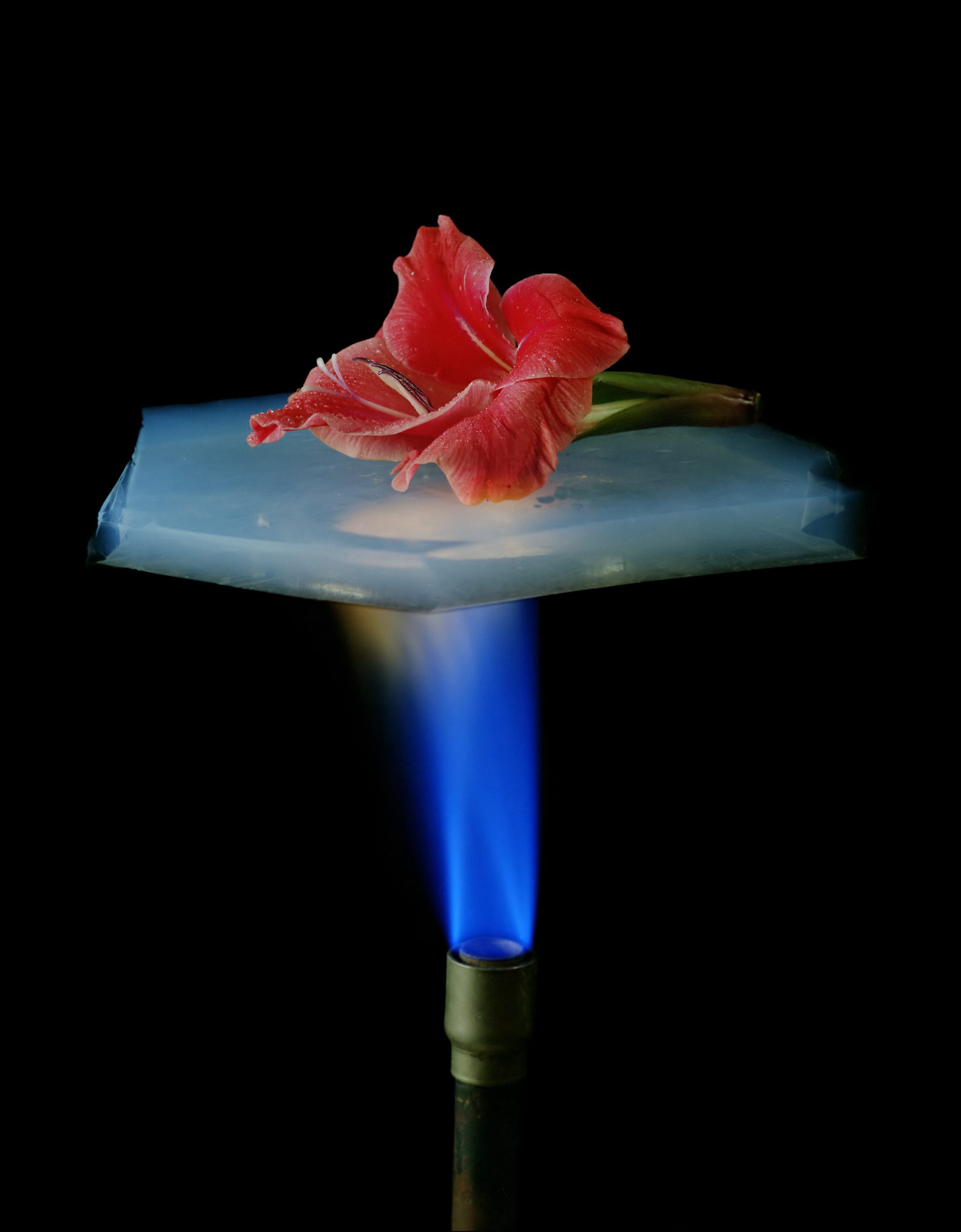
Aerogel is, to date, the lightest solid substance in existence in the world together with graphene. Aerogel is composed of 98% air and 2% amorphous silica, the main component of glass.
Apart from being super-light, Aerogel is an excellent thermal insulator and can withstand very high temperatures.
Aerogel is a type of synthetically amorphous silica that is distinct from crystalline silicon.
Synthetically amorphous silica has no effects on health – as declared by the OECD (United Nation’s Organization for Economic Cooperation and Development) – unlike crystalline silica, which can cause respiratory diseases such as silicosis.
To best use the extraordinary heat characteristics of the product, a system has been patented to be able to trap the Aerogel inside a fibrous structure, ensuring the same levels of insulation, without having to do without the easy movement and transformation of the product.
Aerogel-based products have shown themselves to maintain the same heat insulation performance even under considerable mechanical stress. This also makes it possible to use the material in permanent and/or dynamic load conditions in total safety.